Your Home Is a Time Capsule: Meet the Tokyo Collectors Turning Apartments Into Living History
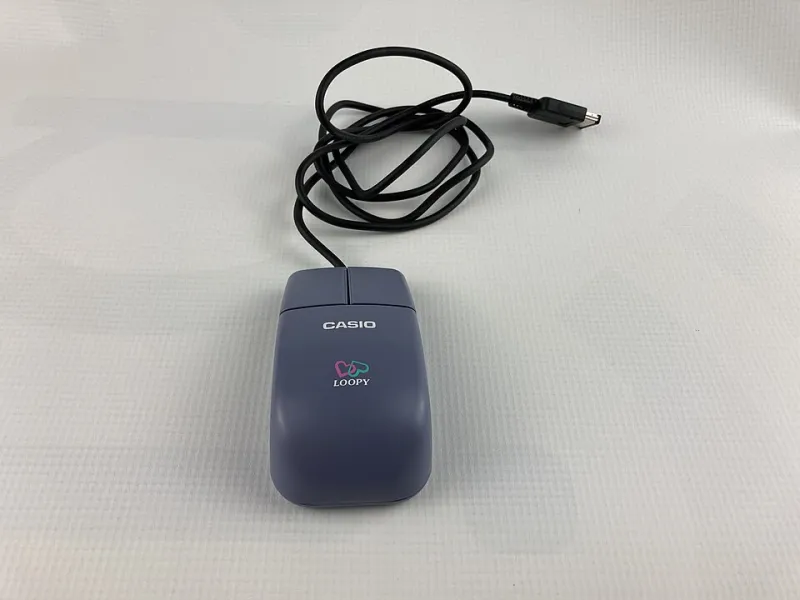
Photo: Soze.kayser, CC BY-SA 4.0, via Wikimedia Commons
The apartment is small — maybe 400 square feet, which is generous by Tokyo standards — and every inch of it is doing something. A shelf of mismatched Showa-era coffee cups lines one wall. A vintage Toshiba transistor radio sits on the kitchen windowsill, actually plugged in, actually playing. A stack of old Heibonpunch magazines fans out on the floor next to a low table covered in a textile that looks like it came from someone's grandmother's closet. It probably did.
This is Yuki's apartment in Nerima, and she is not, she wants you to know, an interior designer. She's a 29-year-old graphic designer who started collecting "old stuff" about four years ago and has never really stopped.
"It's not about aesthetics," she says, picking up one of the coffee cups and turning it over in her hands. "It's about not wanting these things to disappear."
The Apartment as Act of Resistance
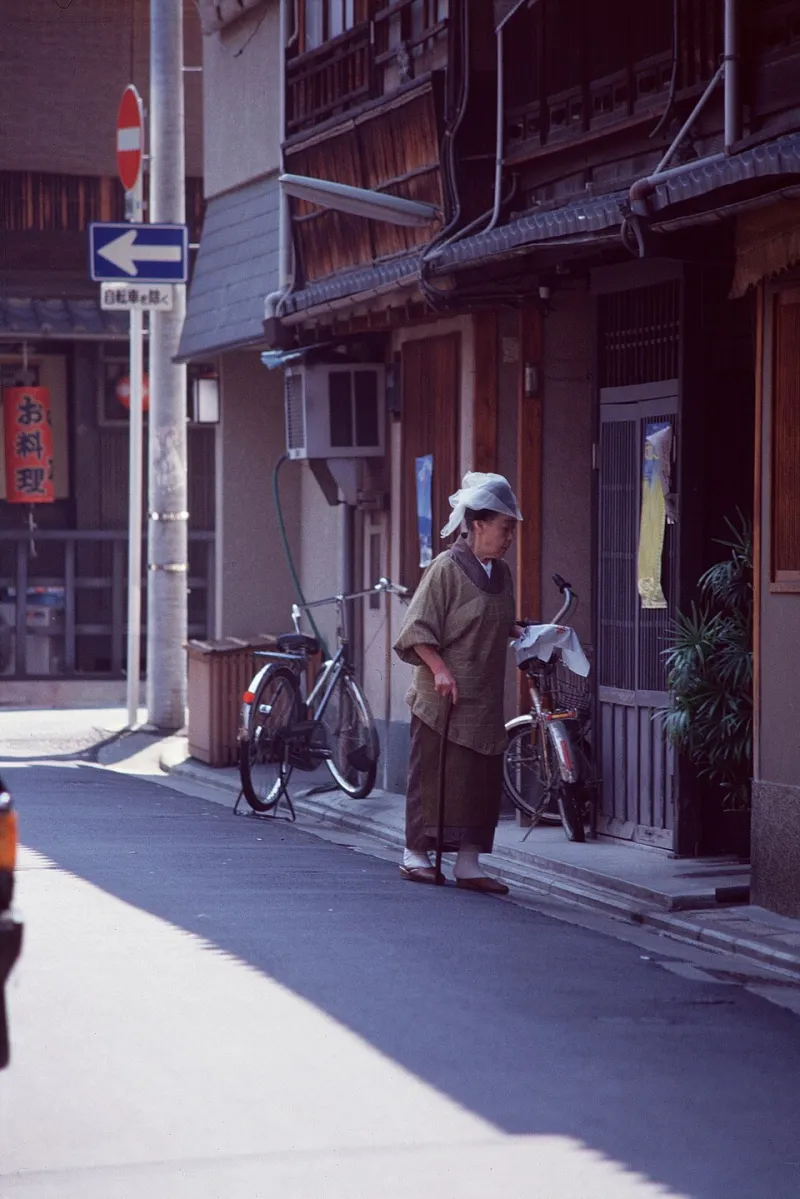
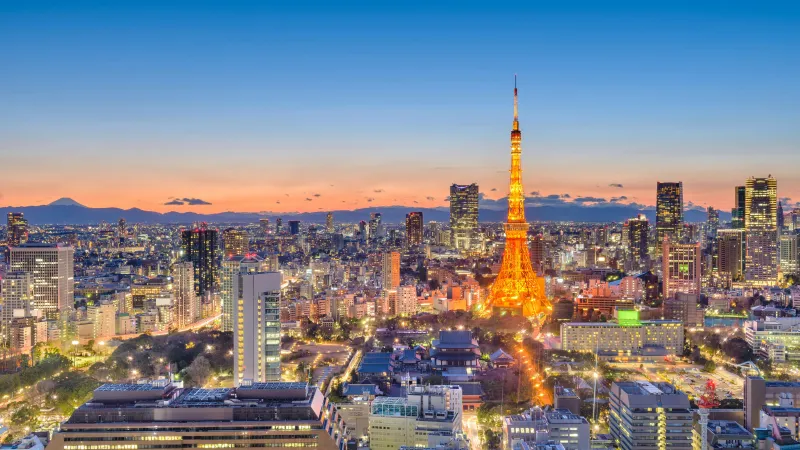
Tokyo is a city that has reinvented itself so many times and so rapidly that whole eras of its material culture have simply vanished — demolished, discarded, replaced. The postwar Showa period, the economic bubble years of the '80s, even the early '90s analog-digital transition: each of these eras left behind a physical vocabulary of objects, and that vocabulary is quietly being erased.
A growing community of young Tokyoites — concentrated in neighborhoods like Nerima, Koenji, Shimokitazawa, and Kagurazawa — is pushing back against that erasure, not through protest or policy but through accumulation. They are filling their homes with the things that Tokyo keeps throwing away, and in doing so, they're creating something that functions less like interior decoration and more like active preservation.
This isn't the same as the vintage aesthetic that's been circulating on social media for the past few years — the curated "wabi-sabi" shelves and artfully placed ceramics that read more as trend than conviction. The people in this community will be the first to tell you that distinction matters.
What They're Actually Collecting
The objects vary widely but tend to cluster around the same emotional era: roughly 1955 to 1995, the decades when Japan was modernizing fastest and the gap between old and new was most visible in everyday life.
Kitchen ceramics are common — the kind of chunky, hand-painted rice bowls and teacups that were mass-produced but still feel individual in a way that contemporary tableware doesn't. Analog electronics show up constantly: radios, reel-to-reel tape decks, rotary phones, early Walkman models. Textiles — boro patchwork, indigo-dyed cloth, printed cotton from defunct regional manufacturers — are particularly prized. So are printed materials: old telephone directories, department store catalogs, city maps from before entire neighborhoods were redesigned.
Masato, a 33-year-old who lives in a two-room apartment in Nerima with what he estimates is "way too much stuff," collects primarily packaging. Candy wrappers. Medicine boxes. Soap labels. Objects that were designed to be thrown away the moment they were opened.
"That's exactly why I keep them," he says, pulling out a flat drawer stuffed with perfectly preserved paper bags from department stores that no longer exist. "Nobody thought these were worth saving. That makes them more important, not less."
The Flea Market Circuit
The sourcing culture around this community is its own ecosystem. Tokyo's flea market scene — weekend markets at shrines and parks, the legendary Oedo Antique Market at Tokyo International Forum, smaller neighborhood sales that barely get advertised — functions as both supply chain and social hub.
Regulars know each other. There's a loose, informal network of people who text about finds, trade duplicates, and occasionally hold small apartment gatherings that function as part show-and-tell, part historical seminar. Someone brings a collection of old train timetables. Someone else has a box of photos from a neighborhood festival in 1973. The conversation that follows is part archaeology, part nostalgia, and part something harder to categorize — a collective effort to hold onto a city that keeps slipping away.
For American visitors, the closest analog might be the antique mall culture of the rural Midwest, or the estate sale circuit — that same combination of treasure hunting, historical curiosity, and the particular satisfaction of rescuing something from oblivion. But the Tokyo version has an additional layer of urgency. In a country where space is genuinely limited and the pressure to modernize has historically been intense, keeping old things is a more deliberate act.
Against Disposability (and Against the Algorithm)
There's a generational dimension to this movement that's worth naming. The people most invested in it are largely in their late twenties and thirties — old enough to remember a pre-smartphone childhood, young enough to have grown up watching analog culture get systematically replaced by digital convenience.
Many of them describe their collecting habits in explicitly anti-digital terms. They're not interested in scanning their objects and archiving them in the cloud. They want the physical thing, with its weight and its smell and its imperfections. A ceramic cup that's been used and chipped and repaired tells a story that a photograph of that cup simply cannot.
"Everything digital feels temporary to me," says Yuki. "I know that sounds weird because supposedly the internet is forever. But it doesn't feel that way. It feels like it could all just disappear. These things" — she gestures at the shelf of cups — "these things are actually here."
This is where the movement connects to something larger than interior design or even cultural preservation. It's a response to a particular kind of anxiety that a lot of people under 40 are carrying right now: the sense that the pace of change has become so fast, and the digital layer of life so thick, that tactile, analog reality is getting harder to hold onto.
What a Home Can Hold
Not everyone in this community thinks of themselves as collectors in any formal sense. Some just describe it as living surrounded by things that feel meaningful — objects that carry a history they can touch.
What they share is a conviction that a home can be more than a functional space or a styled backdrop. It can be an argument. A statement about what's worth keeping. A record of the things that would otherwise get quietly discarded as the city keeps remaking itself.
In a neighborhood like Nerima, where older residential streets still coexist with newer development, that argument feels particularly alive. Walk through on a weekend morning and you'll pass houses that have been standing since the '60s next to buildings that went up last year. The contrast is everywhere. These collectors are, in their own small and personal way, choosing a side.
The transistor radio in Yuki's kitchen is playing something soft and slightly staticky. She doesn't know the station. She just knows she likes the sound.