Grandma's Kitchen Is the Hottest Classroom in Tokyo Right Now
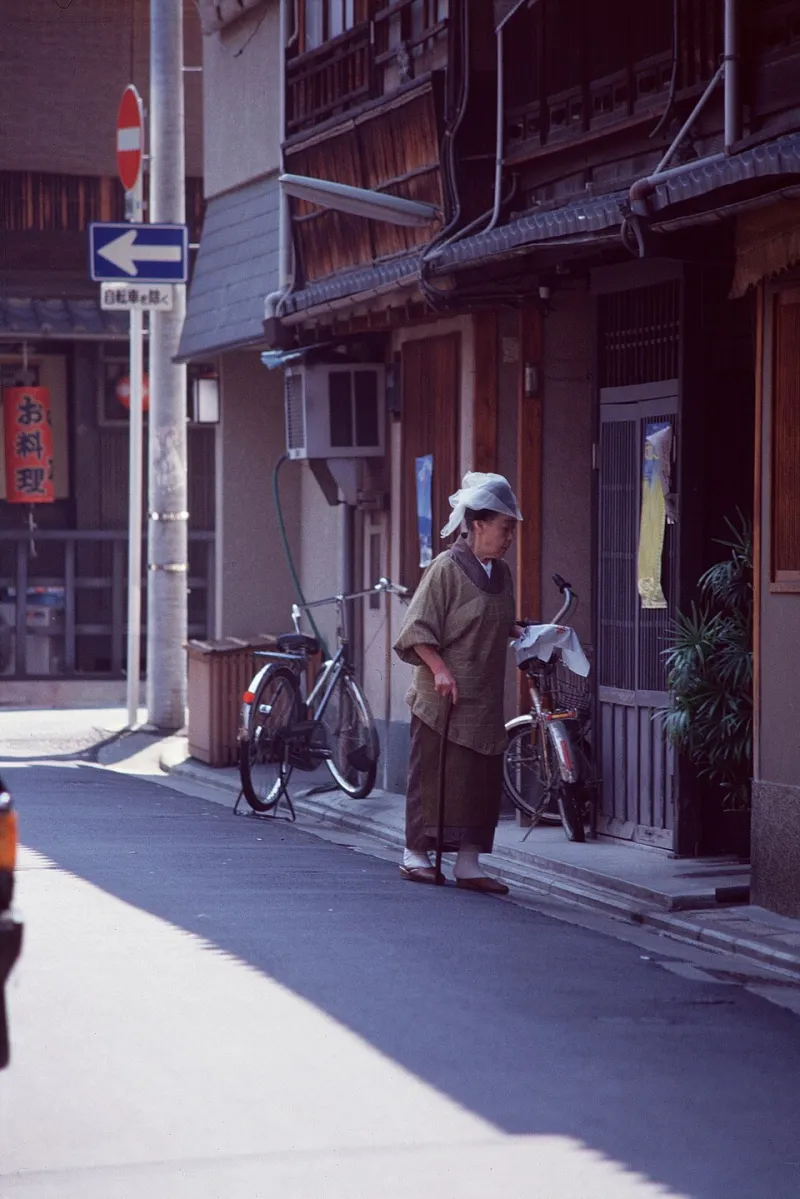
Photo: Marie-Sophie Mejan, CC BY 4.0, via Wikimedia Commons
Forget the trendy cooking apps. Forget the YouTube tutorials with their perfectly lit mise en place and cheerful background music. In certain pockets of Tokyo, the most exciting culinary education happening right now takes place in apartments that smell like dashi and old tatami, taught by women in their seventies and eighties who learned these recipes from their grandmothers — and who are now, somewhat urgently, passing them on to people young enough to be their great-grandchildren.
This isn't a formal program with a name and a logo. It's more like a slow-moving, neighborhood-by-neighborhood wave of connection. And it's changing the way a generation raised on convenience store onigiri thinks about food.
The Recipes That Were Almost Lost
Here's the thing about traditional Japanese home cooking that doesn't always make it into the glossy food media: a huge portion of it is deeply regional, intensely personal, and has never been written down anywhere. It lives in the hands of the people who make it. When those people are gone, it goes with them.
Nobuko Hayashi, 78, lives in a quiet part of Nerima in the same apartment she's occupied for forty years. She knows how to make a version of nimono — simmered vegetables — using a technique her mother developed in postwar Niigata, adjusting the seasoning ratios based on the season and the specific bitterness of whatever greens were available. "I've never seen this exact method in any cookbook," she says, standing at her stove with the unhurried confidence of someone who has made this dish a thousand times. "It's just how we did it."
A few months ago, a 22-year-old named Hana started coming to Nobuko's kitchen on Saturday mornings. Hana found her through a neighborhood community board posting — handwritten, taped next to the mailboxes. She was, by her own admission, almost completely useless in the kitchen when she arrived. She could make instant noodles. She could heat things up. That was about it.
Now she can make Nobuko's nimono. She can also make two kinds of pickles, a fish dish that requires patience she didn't know she had, and a very specific style of miso soup that Nobuko insists tastes wrong if you add the tofu before the wakame.
"I feel like I'm learning something that actually matters," Hana said, which sounds simple but lands differently when you understand the world she's navigating — a Tokyo of rising rents, demanding work culture, and a convenience economy so efficient it's made cooking feel almost unnecessary.
Why Gen-Z Is Actually Showing Up
It would be easy to frame this as a nostalgia story, young people seeking comfort in simpler times. But that's not quite what's driving it. Talk to the younger participants in these informal mentorships and a more complicated picture emerges.
For many of them, the draw is partly aesthetic — there's a growing counter-culture pushback against hyper-processed food and the passive consumer lifestyle, a vibe that's very much in conversation with what's happening in cities like Portland, Brooklyn, and Austin, where young people are fermenting their own hot sauce and sourcing heirloom grains. Tokyo's version of this has its own flavor, obviously, but the underlying impulse is similar: a desire to actually make something, to understand where food comes from and how it works.
But there's also something more specific happening in Tokyo's gentrifying neighborhoods. As older residents get priced out or simply age in place while the world around them changes rapidly, these cooking relationships become one of the few genuine points of cross-generational contact. The kitchen becomes a neutral zone where age and background matter less than curiosity and appetite.
Ryo, 25, who started learning from a retired schoolteacher in Koenji after responding to a flyer at a local café, puts it this way: "I don't have grandparents in Tokyo. My family is in Fukuoka. Coming here feels like having a grandmother in the city. Which sounds cheesy but is just true."
What Actually Happens in These Kitchens
The cooking is real work. Nobody's just watching a demonstration and going home with a recipe card. These sessions typically run two to three hours, involve actual prep — the kind where you learn to julienne a daikon by doing it badly seventeen times until you do it less badly — and often end with everyone eating together at a small table.
The conversation that happens during all that chopping and simmering is where the real transmission occurs. Nobuko talks about food rationing. About what her family ate during difficult years. About how certain dishes became associated with specific feelings and seasons and people. Hana listens and asks questions and sometimes pulls out her phone to record something — not for social media, but for herself.
This kind of oral history transfer is, quietly, one of the most valuable things happening in these kitchens. The recipes matter, but so does the context. A dish without its story is just instructions. With the story, it becomes something you can actually own.
Community centers in several Tokyo neighborhoods have started formalizing some of this, creating structured intergenerational cooking programs that meet regularly and have waiting lists. But the most alive version of this movement is still the informal one — the handwritten flyers, the neighbor-of-a-neighbor introductions, the Saturday mornings that keep happening because both people genuinely want to be there.
A Different Kind of Food Culture
Japanese convenience culture is genuinely impressive. The quality of a Tokyo convenience store meal embarrasses most fast food anywhere in the world. There's no shame in it. But there's also something that gets lost when every meal is a transaction rather than a practice.
What these grandmothers are offering isn't just technique. It's a different relationship with food — one where cooking is something you do for someone, including yourself, rather than something that happens to you. Where the imperfections in a dish tell you something about the day you made it. Where feeding people is understood as a form of care.
Gen-Z in Tokyo is picking this up and running with it in ways that feel genuinely fresh. Some participants have started hosting small dinner parties built around dishes they learned in these sessions. Others have begun documenting recipes in shared online archives — an informal, crowdsourced effort to capture what might otherwise vanish. A few have even started their own informal mentorships, passing along what they've learned to friends who are curious.
Nobuko, for her part, seems quietly delighted by all of it. When asked what she hopes Hana takes away from their Saturday mornings, she thinks for a moment and then says: "That she made it herself. That she knows she can."
In a city moving as fast as Tokyo, that's a radical thing to know.