Every Block Has One: What Tokyo's Vending Machines Are Really Telling You
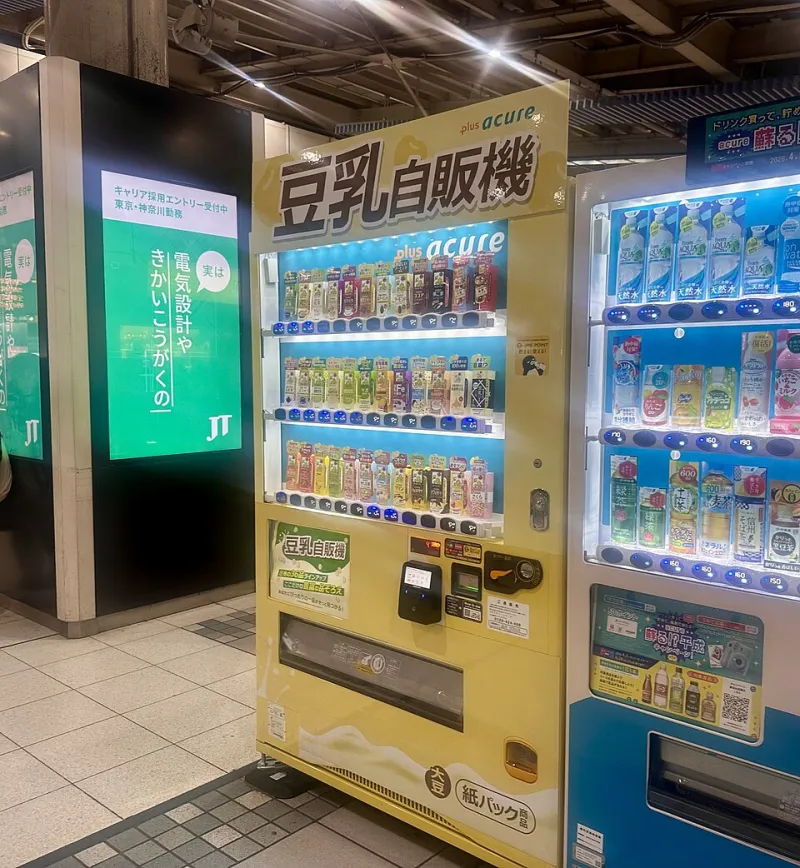
Photo: Nesnad, CC BY 4.0, via Wikimedia Commons
There's a vending machine on the corner near Nerima Station that sells hot canned coffee, cold sports drinks, and, depending on the season, something warm and vaguely mysterious labeled only with a leaf icon and a price. Nobody guards it. Nobody checks your ID. Nobody watches to make sure you put your money in before you take your drink. You just do.
That's the thing Americans notice first — not the machines themselves, but the total absence of anxiety around them. No cage. No security camera bolted conspicuously overhead. No laminated sign warning about surveillance or theft consequences. Just a machine, a sidewalk, and an unspoken agreement between the city and everyone in it.
Welcome to one of the most underrated windows into Japanese urban culture: the humble jidōhanbaiki.
A Machine on Every Corner (No, Really)
Japan has roughly one vending machine for every 23 people. Let that land for a second. In the US, that ratio is closer to one per 100. Tokyo alone is estimated to have around 160,000 of them, tucked into alleyways, mounted beside temple gates, standing sentinel outside shuttered shotengai shops, glowing softly at 3 AM on streets where nobody's walking.
They sell the obvious stuff — Pocari Sweat, Georgia canned coffee, Suntory Boss, Aquarius. But spend enough time wandering and you'll find machines vending fresh eggs from a local farm, hot ramen cups, craft beer from a neighborhood brewery, seasonal sakura-flavored drinks in spring, and warming corn soup the moment the temperature drops in November. The inventory isn't random. It reflects the neighborhood.
That's the part that gets interesting.
Machines That Know Where They Live
In Nerima, where residential streets wind quietly between parks and old shotengai, the machines lean practical — sports drinks, water, hot tea. Wander toward Shimokitazawa and you'll find craft vending machines stocked with indie zines or handmade accessories alongside the usual canned drinks. In Asakusa, tourist-facing machines carry English labels and accept IC cards without blinking. Near universities, energy drinks and cheap coffee dominate.
This isn't corporate algorithm magic. A lot of it is old-fashioned local knowledge. Many machines in Tokyo are still managed by small operators — individuals or tiny businesses who stock and service specific units, sometimes machines that have stood in the same spot for decades. The guy who refills the machine outside the dry cleaner on Tuesday mornings knows what that block drinks. He's been doing it since before you were born.
The machine becomes a kind of neighborhood autobiography. It tells you who lives there, what hours they keep, and what they reach for when they're tired or cold or just need a small, uncomplicated pleasure.
The Trust Architecture
Here's where it gets philosophical — and genuinely worth thinking about if you're coming from an American city where vending machines in public spaces are often vandalized, emptied, or simply removed because the math stopped working.
Tokyo's vending machine culture functions because of something that urban planners and sociologists sometimes call ambient trust — the low-level, background assumption that strangers around you are not, by default, threats. It's not naivety. It's infrastructure built on a shared social contract that's been reinforced over generations.
The machines don't need locks because breaking them isn't really a temptation most people act on. And the reason most people don't act on it isn't fear of punishment — it's something closer to a collective understanding that these small, functional things belong to everyone in the sense that everyone benefits from them existing. Damage the machine, and you damage the convenience. You damage the corner. You damage something that was just quietly working.
For American readers, this can feel almost utopian. And honestly? It kind of is. But it's also a reminder that trust isn't just a feeling — it's something you build into the design of a place, into the rhythms of daily life, into the expectation that your neighbors are going to act like neighbors.
Seasonal Rituals in a Metal Cabinet
One of the most quietly beautiful things about Tokyo's vending machines is how seriously they take the seasons. Japan's cultural obsession with seasonality — what's called shun in food culture — extends all the way to the automat on your corner.
By late September, warm drink options start appearing on the left side of the machine (a Japanese convention: hot drinks on the left, cold on the right, signaled by red and blue labels). Corn soup. Hot miso. Warm milk tea. By January, the hot side outnumbers the cold. By April, sakura everything. By July, you're back to cold, and there's probably a new citrus drink that didn't exist last summer.
It's a small thing. But it's also a rhythm. A reliable, tactile way that the city marks time. For people living alone — and Tokyo has a lot of solo households — the machine changing its inventory can feel, without exaggeration, like a neighbor acknowledging the season with you.
What the Machine Isn't
It's worth saying clearly: Tokyo's vending machine culture isn't perfect, and it's not a simple export. The sheer number of machines creates real environmental concerns — energy consumption is significant, and the country has been wrestling with how to make the infrastructure more sustainable. Newer machines use LED lighting and better insulation, but the sheer scale means the footprint is substantial.
And the model works in Tokyo partly because of conditions that don't exist everywhere — dense foot traffic, a particular social environment, decades of established norms. Dropping vending machines on American street corners and expecting the same result would miss the point entirely.
The lesson isn't get more vending machines. The lesson is about what it looks like when a city decides to build trust into the everyday, when infrastructure is designed around the assumption that people are mostly going to do the right thing, and when a neighborhood's character is legible in something as small as what's stocked in a machine on the corner.
A Small Monument to Everyday Faith
Next time you're in Tokyo — or if you're already here, next time you walk past one of these glowing cabinets without really seeing it — stop for a second. Look at what it's selling. Notice whether it's hot or cold, seasonal or standard. Check whether it's been there long enough that the brand decals are slightly faded.
That machine has been standing there, unsupervised, in the rain and the heat and the 2 AM quiet, just doing its job. And the neighborhood has been letting it.
That's not a small thing. That's a whole philosophy, humming at 100 yen a can.