Off the Tourist Map: Tokyo's Best Neighborhood Shrine Festivals You've Never Heard Of
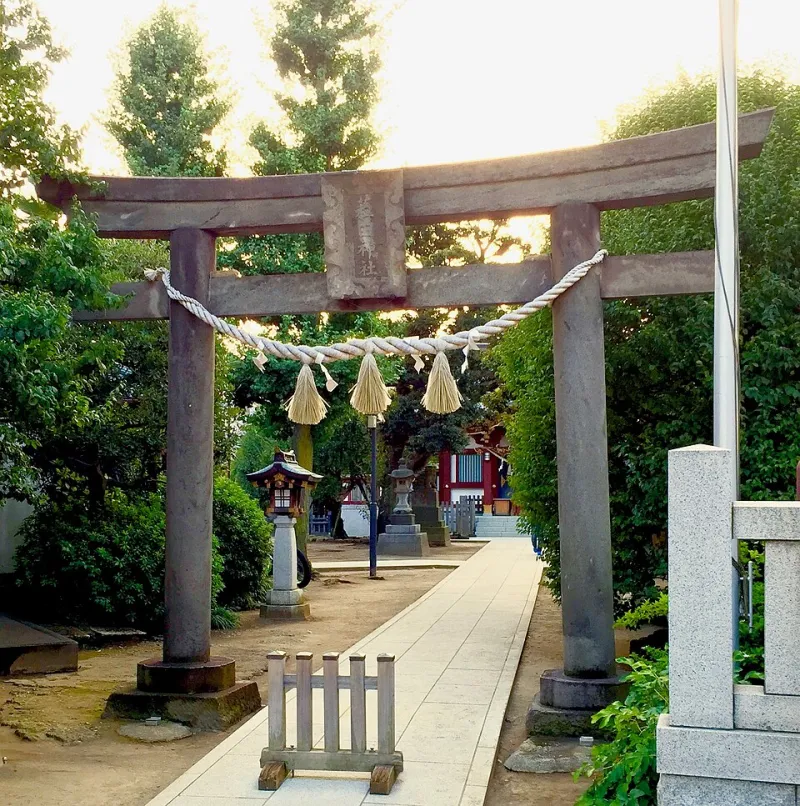
Photo: Iketani, Daisei, CC BY-SA 4.0, via Wikimedia Commons
Picture this: a narrow alleyway strung with paper lanterns, the smell of yakitori drifting through the summer air, and a neighborhood grandma teaching a six-year-old how to properly toss a coin at the offering box. No tour buses. No selfie sticks. Just a community doing what it's done for generations.
That's the matsuri experience most people never get to have — and honestly? It's the one worth chasing.
Tokyo has hundreds of shrine festivals scattered across its 23 wards and beyond, ranging from massive, nationally televised events to hyper-local gatherings that don't even have an official English-language webpage. The latter is where the real magic lives. We dug into five of these neighborhood gems to give you a genuine feel for what makes each one tick.
Yanaka: Where Old Tokyo Refuses to Die
If any neighborhood in Tokyo could be described as stubbornly, beautifully itself, it's Yanaka. This low-rise labyrinth of wooden houses, independent coffee shops, and century-old temples somehow survived both the 1923 Great Kanto Earthquake and World War II bombing — and it shows. The area feels like a living museum, but not in a sterile, roped-off kind of way.
The Yanaka Matsuri, typically held in late summer around the Yanaka Reien cemetery area and nearby Suwa Shrine, leans hard into that old-Tokyo identity. Mikoshi (portable shrines) are carried through streets barely wide enough for two adults to pass side by side. Vendors set up stalls selling dagashi — old-school Japanese penny candy — and the whole thing wraps up with a neighborhood-wide bon odori dance that feels more like a block party than a formal religious event.
What makes it special to locals isn't the spectacle. It's the continuity. Many families have been sending their kids to dance at this festival for four or five generations. For outsiders, showing up and joining the dance circle is genuinely welcomed — just follow the person in front of you and don't overthink it.
Koenji: Festival Energy With a Punk Undercurrent
Koenji is Tokyo's answer to Brooklyn circa 2005 — indie record shops, vintage clothing dens, and a creative community that wears its weirdness as a badge of honor. So it tracks that the neighborhood's signature event, the Koenji Awa Odori, would be one of the most unexpectedly electric matsuri in the city.
Originally inspired by the famous Awa Odori festival of Tokushima Prefecture, Koenji's version has been running since 1957 and now draws over 10,000 dancers across two days in late August. Here's the thing though — this isn't a tourist showcase. The dancers are Koenji residents. The music is live. The streets are closed and the crowd presses in tight, and somewhere between the drumbeats and the synchronized footwork, you stop being a spectator and start being part of something.
For American visitors especially, the scale is mind-bending. Imagine your town's Fourth of July parade, but everyone in it has been rehearsing for months, the choreography is legitimately beautiful, and the whole thing runs with a kind of organized chaos that only a deeply community-rooted event can pull off.
Nakano: The Festival That Feeds You First
Nakano doesn't get the press that Shibuya or Shinjuku get, even though it's right next door to both. That's partly what makes its local shrine scene so refreshing — it hasn't been curated for outside consumption.
The Nakano Suwa Shrine Festival, held in September, is anchored around Suwa Shrine on the quieter north side of the neighborhood. What sets this one apart is the food culture surrounding it. Local restaurants and home cooks set up stalls offering things you genuinely cannot find at bigger, more commercial festivals — handmade gyoza from the Chinese-Japanese fusion joints that define Nakano's culinary identity, regional sake from small breweries, and grilled corn that somehow tastes better at 10pm under paper lanterns than it has any right to.
The mikoshi procession here is more intimate than Koenji's massive street takeover, which actually makes it easier to appreciate. You can get close. You can watch the sweat and coordination and joy of the people carrying the shrine, and you understand instinctively that this isn't performance — it's devotion.
Shimokitazawa: Small Shrine, Big Feeling
Shimokitazawa is better known for its theater scene and thrift shops than its shrine culture, but the Daihachi Hachiman Shrine Festival tucked into the residential streets just north of the main shopping drag is a quiet revelation.
This one's small. We're talking maybe three blocks of stalls, a handful of neighborhood associations running the mikoshi, and a crowd that's almost entirely local. Which is exactly why it's worth finding. There's a particular kind of ease at a festival like this — kids running freely, elderly residents sitting on folding chairs chatting with neighbors they've known for decades, young couples sharing festival snacks without performing anything for anyone.
The festival typically falls in mid-September and doesn't have a massive online footprint, so the best way to find it is to ask at one of the neighborhood's many vintage shops or coffee spots. Locals are genuinely happy to share the details.
Nerima: A Hidden Circuit in Plain Sight
Closer to home for us here at Kami Nerima, the festivals scattered across Nerima Ward deserve serious recognition. Nerima is one of Tokyo's largest wards by area and one of its greenest — it still has actual farms within city limits — and that agricultural heritage shows up in its shrine festivals in interesting ways.
The Shakujii Hachiman Shrine Festival and the smaller celebrations around Nerima Daikon season (yes, there's a radish harvest festival and yes, it's wonderful) reflect a community that hasn't entirely urbanized its identity. These events tend to happen in October and November, when the rest of Tokyo's festival season has wound down, making them a genuinely off-season discovery.
The daikon festival in particular is the kind of thing that sounds niche until you're standing there eating fresh-pickled radish prepared by an 80-year-old farmer and realizing this is exactly what travel is supposed to feel like.
How to Find These Festivals (Without Getting Lost)
A few practical notes for anyone looking to explore this circuit:
- Timing matters. Most neighborhood matsuri run Friday evening through Sunday, concentrated in late July, August, and September. October is quieter but worth checking locally.
- Google Translate is your friend. Search the shrine name in Japanese (e.g., 諏訪神社 祭り) plus the year for the most current schedule info.
- Go early on the first evening. The opening night tends to be more local and less crowded than peak Saturday afternoon.
- Bring cash. Festival stalls are almost universally cash-only, and ATMs near smaller shrines can be scarce.
- Just show up. Unlike ticketed events, matsuri are open to everyone. Respectful curiosity is always welcome.
Tokyo's neighborhood festivals aren't secrets exactly — they just don't advertise to people who aren't already paying attention. Start paying attention, and you'll find a version of this city that most visitors never get to see.